How does coal-based activated carbon protect the environment?
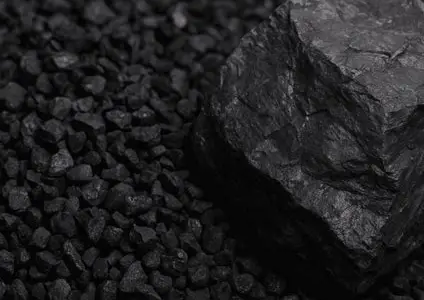
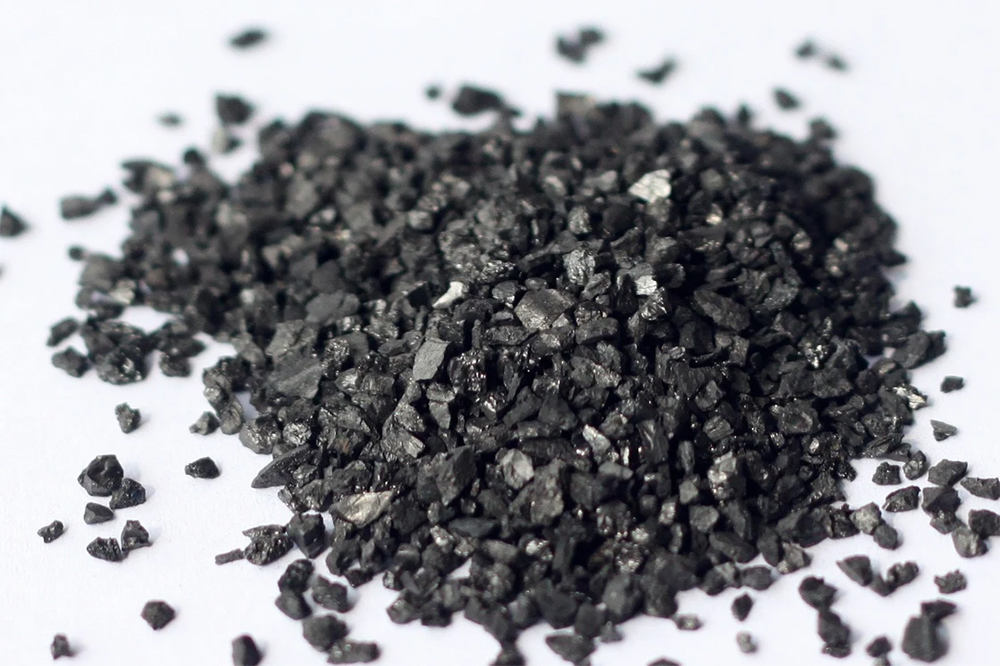
Coal-based activated carbon is developed through a series of processes including carbonization, cooling, activation, and washing. It is also known as coal granular activated carbon. Its appearance is generally black cylindrical activated carbon, amorphous, also known as crushed carbon. Cylindrical activated carbon, also known as columnar carbon, is generally made from powdered raw materials and binders through processes such as kneading, extrusion molding, carbonization, and activation, or it can be extruded together with powdered activated carbon and binders. It has characteristics such as well-developed pore structure, good adsorption performance, high mechanical strength, easy regeneration, and low cost. It can be used for toxic gas purification, waste gas treatment, industrial and domestic water purification, solvent recovery, etc.
1. Water treatment industry: tap water, industrial water, sewage treatment, purified water, beverage, food, and medical water;
2. Air purification: removing impurities, odors, and adsorbing harmful gaseous substances such as formaldehyde, benzene, toluene, xylene, and oil vapor;
3. Industry: Decolorization, purification, and air purification;
4. Fish keeping: filtration;
II. Effect of coal-based activated carbon
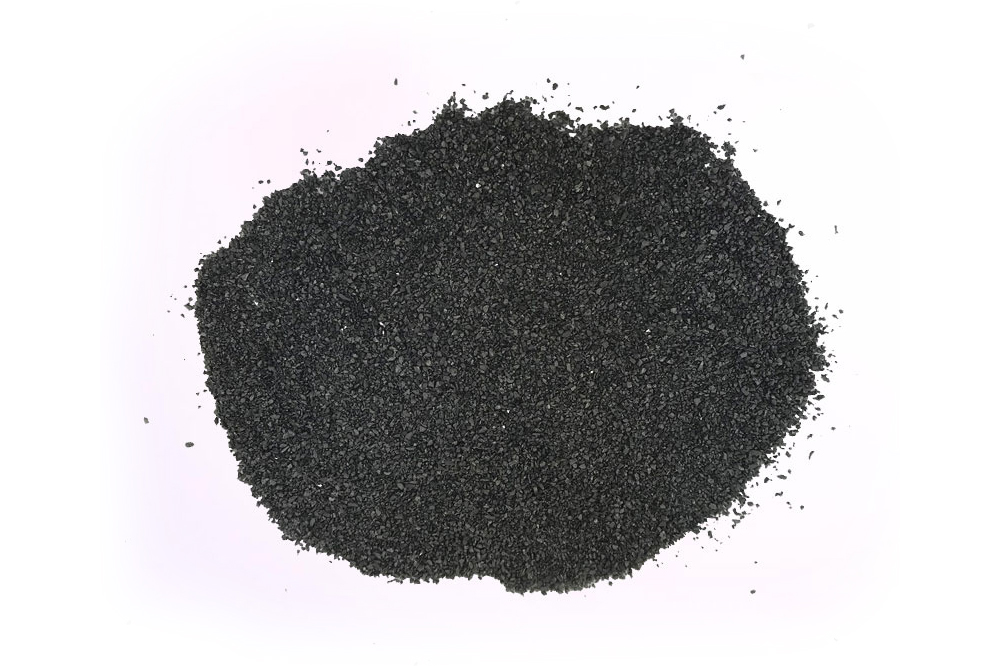
Coal-based activated carbon boasts advantages such as high strength, well-developed pores, and a large specific surface area, particularly its abundant micropore volume. This type of activated carbon exhibits strong adsorption capabilities for organic matter in various types of water, as well as for free chlorine and harmful gases in the air. It serves as an excellent adsorbent for the advanced purification of urban drinking water and is utilized to remove bacteria and harmful gases from the air. With its well-developed pore structure, good chemical stability, and mechanical strength, coal-based activated carbon stands as a superior broad-spectrum carbonaceous adsorbent material. Depending on its appearance, coal-based activated carbon can be categorized into granular activated carbon and powdered activated carbon. Among these, granular activated carbon can further be classified into coal-like carbon (including columnar carbon, shaped coal, and tablet carbon), spherical carbon, and raw coal fragmented activated carbon.
Based on different applications, it can be categorized into various uses such as purified water, air purification, decolorization, solvent recovery, injection, and protection. Due to its resistance to acids, alkalis, and heat, granular activated carbon is easily regenerable after reaching adsorption saturation, making it an indispensable carbonaceous adsorbent material in modern industrial production and environmental protection.
The adsorption of solute molecules in water by coal-based activated carbon is a complex process, resulting from the combined effects of several forces, including ionic attraction, van der Waals force, chemical impurities, and other interactions. According to the dual-rate diffusion theory of adsorption, the adsorption process consists of two stages: rapid diffusion and slow diffusion. Rapid diffusion can be completed within a few hours, exerting 60% to 80% of the adsorption capacity of coal-based granular activated carbon. Rapid diffusion involves the uniform radial distribution of solute molecules within carbon particles through small-resistance pores. These large pores generate radial diffusion resistance. When molecules diffuse from large pores into micropores connected to the large pores, they encounter significant resistance due to the narrow pore size, resulting in very slow diffusion. Micropores are evenly distributed within carbon particles but do not constitute radial diffusion resistance. Factors affecting the adsorption of granular activated carbon from coal are related to the molecular polarity, molecular weight, and spatial structure of the solute, which depend on the characteristics of the water quality. Coal-based granular activated carbon exhibits selective adsorption towards different molecules.